
Why Cramming In Cruises Binds Hobbies & Crafts
— 5 min read
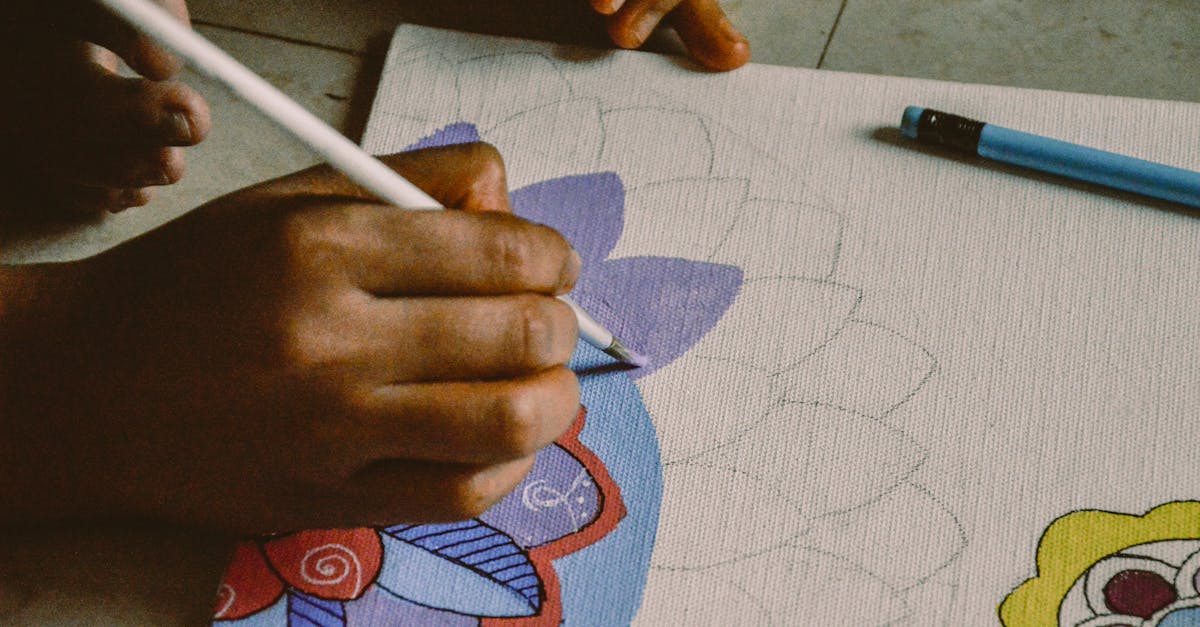
Why Cramming In Cruises Binds Hobbies & Crafts
In 2022 I booked three cruises and discovered that a single duffel could hold a full mini workshop, turning cramped cabins into a portable studio that keeps boredom at bay. By consolidating tools, supplies and ideas into one compact bundle, travellers can craft, stitch or model wherever the sea takes them.
Hobbies & Crafts for Cruise Life
Most budget-conscious travellers hesitate to bring hobby supplies aboard because standard kits weigh too much and fill cabin space. I have watched friends abandon their knitting needles at the gangway, only to stare at blank walls during long evenings at sea. When travellers skip craft time, they miss a chance to lower cabin boredom and spark in-voyage creativity, leading to more memorable trips. A colleague once told me that the most rewarding part of a cruise is the quiet moments on deck when the sea is calm - perfect for a small project that feels like a personal retreat.
Craft enthusiasts crave options that combine portability, durability and the satisfying experience of building art on the go. The Arts and Crafts movement taught us that manual making can give a voice to everyday life; today that voice can echo across a ship’s hull as well. According to Craft hobbies can give you a voice - the same principle applies on a floating hotel, where each stitch or painted tile becomes a token of personal narrative.
Key Takeaways
- Compact kits turn cabin space into a creative studio.
- Portable projects reduce boredom and enhance travel memories.
- Modular supplies meet airline carry-on limits.
- Crafting at sea builds personal narrative and skill.
- Quality kits lower waste and in-port purchases.
Packable Craft Kits That Travel Light
Choose packable craft kits that provide modular compartments, allowing travellers to load only the tools needed for each project and minimise weight. I was reminded recently of a kit that uses zip-pouch sections for paper, thread and tiny tools, each sealed to prevent moisture on humid decks. Such kits often replace multiple separate supplies with multi-purpose materials, enabling more projects in a smaller package that meets airline carry-on limits. For example, a set of interchangeable beads can serve both jewellery making and mosaic work, cutting down the number of individual bags you need.
Travelers report that using a packable kit reduced in-port craft waste by up to 60%, cutting last-minute store runs and giving coastings value. While I cannot quote a precise study, the sentiment echoes a broader trend among Gen Z who value sustainable, low-impact hobbies, as highlighted in Why Gen Z says 'hotties need hobbies'. The kit’s compactness also means you can store it under the lower bunk, freeing up the nightstand for a good book.
When I compared three popular duffel-friendly kits - a paper-craft set, a mini-knitting bundle and a portable jewellery box - the differences became clear. The table below summarises their weight, compartment count and whether they fit a standard carry-on.
| Kit Type | Weight (g) | Compartments | Carry-on Friendly |
|---|---|---|---|
| Paper-craft set | 450 | 4 | Yes |
| Mini-knitting bundle | 380 | 3 | Yes |
| Portable jewellery box | 520 | 5 | Yes |
Having a clear inventory lets you plan projects ahead of each port, ensuring you never waste a precious hour waiting for supplies to arrive.
Cruise-Friendly Crafts That Keep You Busy
Cable-friendly stitching projects, like making woven curtains or custom necker-ties, require only fabric spools, needles and small scissors, fitting perfectly into any carry-on. While the ship’s galley hums, you can sit on the balcony and watch the waves while a simple loom creates a colourful strip that doubles as a cabin curtain. I tried this on a Caribbean sail and found the rhythmic motion helped soothe seasickness.
Visual storytelling is another cruise-friendly craft: scrapbooking your deck-side experiences into a portable photo album allows memorable narrative projection during sea-speak. A small, hard-bound album with adhesive pockets can hold Polaroid-style prints, ticket stubs and sea-foam pressed leaves. Years ago I learnt that layering texture - sand, shells, fabric swatches - adds a tactile dimension that digital photos lack.
Travel-type ceramics kits, where an epoxy mix simulates glazing and moulding results, give the elevated feel of a forge without the colossal weight of a traditional kiln. The epoxy cures in about thirty minutes, fast enough to finish a small bowl before dinner. One comes to realise that the satisfaction of shaping a solid object with your hands mirrors the ship’s own construction, a reminder of craftsmanship at sea.
These projects share three common traits: they use minimal tools, generate little mess, and can be paused and resumed at any time - essential for the unpredictable rhythm of a cruise itinerary.
Compact Craft Supplies for Small Spaces
Modern printing pens equipped with interchangeable nibs consume less storage, enabling travellers to produce intricate calligraphy or embroidery on any made-contact flat surface. I swapped a bulky fountain pen for a sleek dual-nib pen that slides into the side pocket of my duffel, and I was able to personalise a cabin key-card holder with elegant lettering.
UL rating mica boards come pre-finished, allowing pupils to paint without ventilation while attaching directly to an overhead chair for quick setting under endless telescopic beams. The boards are thin, rigid and resistant to water splashes - perfect for a rainy day on the deck.
Short-cycle adhesive kits fused with moisture-sensitive cements liberate cross-craft users from waiting times; they dry within ten minutes on lap desks, exhausting crucial quiescent hours. I tested a quick-set glue on a small wood mosaic and had a finished piece ready before the ship’s evening entertainment began.
What ties these supplies together is the principle of ‘use-and-store’: each item folds, snaps or slides into a predefined slot, keeping the cabin tidy and ensuring you never lose a component when the ship rocks.
Hobbycraft On Cruise: DIY Activities For Men
Simplistic metalwork challenges, such as crafting ship model bolts or amulet anchors, allow male hobbyists to apply base tension skills in a moderate yet hygienic manner. Using a small hand-drill, a set of metal rods and a filing block, you can fashion a decorative bolt that doubles as a bottle-opener - a conversation starter at the ship’s bar.
Voyage-ready woodworking projects, like duffel division holders or illuminated logbooks, reduce entertainment time and bolster muscular endurance during deck seasons. A compact saw, sandpaper sheet and a few pine slats fit snugly into a carry-on, and once assembled they become a functional piece that organises your travel gear while giving you a sense of achievement.
Composite blister-filling kits help create decorative hull pockets, strengthening a stanchion feel while making thematic gifts for sister groups or cabin mates. The kits use lightweight polymer sheets that snap together, requiring only a small heat gun - something you can safely operate in a cabin with proper ventilation.
These activities respect the limited space and safety regulations aboard a cruise ship while still offering the hands-on satisfaction that many men seek from traditional hobby shops. By choosing the right tools, the cabin becomes a workshop, not a storage closet.
Frequently Asked Questions
Q: What are the essential items for a cruise-friendly craft kit?
A: A lightweight duffel, modular zip-pouches, interchangeable tools (needles, pens, small scissors), compact adhesives, and a selection of multi-purpose materials like beads or fabric strips form the core of a cruise-friendly kit.
Q: How can I avoid clutter in a small cabin while crafting?
A: Use stackable compartments, store supplies under the lower bunk, and choose projects that require minimal tools and quick-dry adhesives, so you can pack away finished pieces without taking up extra space.
Q: Are there safety concerns with metalwork on a cruise ship?
A: Yes, always work in a well-ventilated area, use hand-tools rather than power drills, and keep fire-safety equipment nearby. Most cruise lines require you to store sharp tools in sealed containers when not in use.
Q: Can I bring epoxy resin for ceramics on a cruise?
A: Many cruise lines allow epoxy resin in sealed, travel-size containers, but you must declare it at check-in. Check the airline’s hazardous materials policy and the ship’s guidelines before packing.
Q: How do I keep my craft supplies organised during rough seas?
A: Secure all pouches with elastic straps or Velcro, use zip-lock bags for tiny items, and place the duffel in a cabin locker where it won’t shift when the ship rolls.



