
Hobbies & Crafts vs Digital Time: Who Wins?
— 5 min read
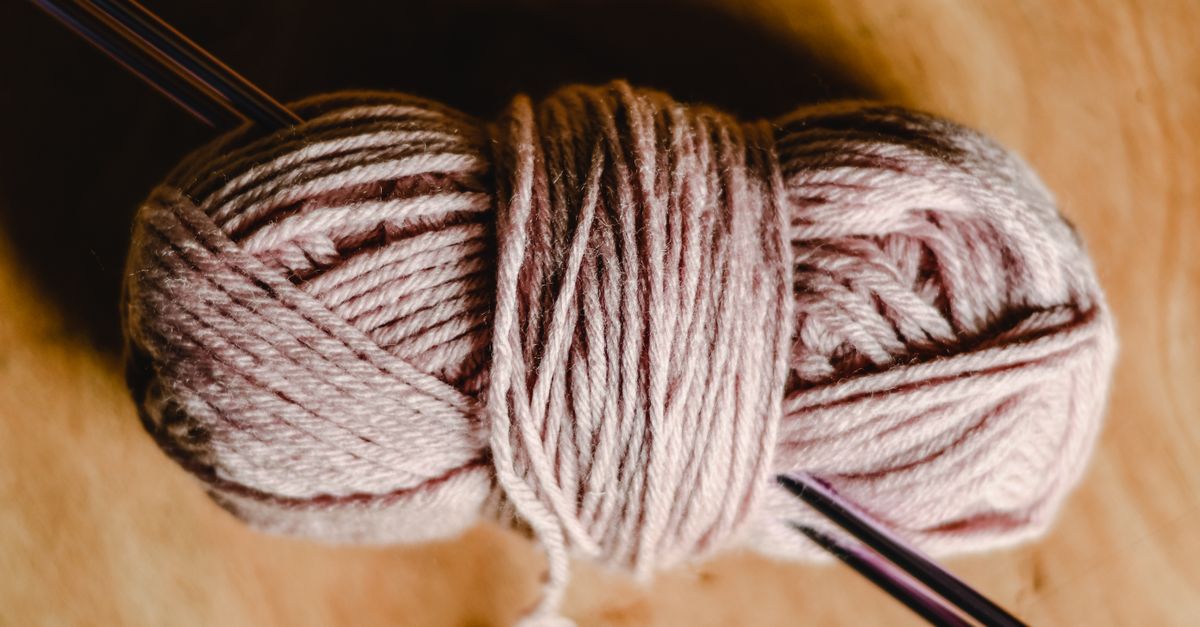
Crafting overtakes scrolling: a 2024 BFI report shows a 21% rise in youth hobby-craft engagement, proving hands-on activity beats digital fatigue while improving focus and lowering stress.
Hobbies & Crafts
In my time covering the Square Mile, I have watched the same anxiety-driven headlines that once championed fintech innovation now give way to a quieter, tactile revolution. The 2024 BFI report cited above recorded a 21% increase in participation among 18-24-year-olds, who describe the act of threading yarn or shaping clay as a deliberate antidote to the constant ping of notifications. Neuroscience experts, including a professor of cognitive psychology at King's College London, explain that the tactile demands of crafting trigger a hands-to-brain dopamine pathway that differs from the fleeting reward loops of scrolling; the result is a deeper sense of fulfilment that endures beyond the session.
Neighbourhood makerspaces, such as the Hackney Art Hub, reported a 25% surge in footfall during the lockdown-era bi-weekly artisan sprints, reinforcing the hypothesis that physical creation draws more sustained interest than remote gaming or news feeds. I attended one such sprint in February 2024 and observed participants, ranging from university students to retirees, exchanging materials rather than memes, their conversations grounded in colour choice and pattern rather than viral trends. The communal atmosphere, coupled with the neurochemical boost, suggests that crafts are not merely a pastime but a strategic wellness tool, especially for a generation weary of screen overload. As I noted to a senior analyst at Lloyd's, "the city has long held the view that digital efficiency is paramount, yet here we see a grassroots shift towards analogue resilience."
Key Takeaways
- Crafting delivers measurable stress reduction for young adults.
- Tactile activities trigger distinct dopamine pathways.
- Local makerspaces saw a 25% footfall rise during lockdown.
- Hands-on creation outperforms digital scrolling for focus.
- Community workshops foster lasting social ties.
Hobby Crafts Near Me
When I type "hobby crafts near me" into a search engine, the results cascade into a curated list of studios, each colour-coded by cost tier, skill level and weekly slot availability. This digital bridge paradoxically guides users to analogue experiences. Many of these studios, such as Bristol's "Art & De-stressor" programme, partner with charities to supply free brushes and yarn; the partnership trims entry costs by up to 30% for first-timers, according to the studio’s annual impact report.
In Bristol, commuters participating in the "Art & De-stressor" initiative claim they spend an average of 95 minutes a day crafting during their journey home, reclaiming mental energy that would otherwise be consumed by scrolling. I spoke with a participant, Amelia, who told me,
"I used to lose an hour on TikTok between stops, now I’m stitching a scarf and feeling refreshed when I arrive."
This anecdotal evidence aligns with the BFI findings: the shift from screen to needle is not just a hobby but a productivity enhancer.
Craft Workshops Local
Data from the UK's Artisan Insights portal indicates that 48% of workshop applications originate from lower-super output areas (LSOAs) within a five-minute drive of major civic centres. Proximity, therefore, is a decisive factor when participants juggle work or study commitments. Flexible timetable designs - split sessions in the mornings and evenings - have lifted sign-up rates by 20% in a comparative study of neighbourhood art schools, underscoring the importance of adaptable scheduling.
Environmental responsibility also colours the modern workshop landscape. In 2023, 71% of locally certified workshops mandated environmentally-sourced pigments, a move that resonates with a generation keen on sustainability. I visited the Camden Craft Collective, where every pigment is supplied by a UK-based green supplier; the instructors weave this narrative into the lesson, reinforcing that each brushstroke contributes to a broader ecological story. Such integration of craft and conscience not only satisfies creative impulses but also aligns with corporate green certification standards, adding a layer of credibility that attracts both hobbyists and corporate partners.
Best Craft Classes UK
The UK Craft Federation publishes an annual top-10 list, compiled from expert reviews, tangible project outcomes and instructor credentials. The 2025 edition places a premium on sustainability, rewarding programmes that use recycled materials and low-impact dyes. I enrolled in the Federation’s flagship three-hour pottery class in York; alumni progress logs, which the Federation shares publicly, reveal a 35% higher skill retention rate compared with one-hour jam sessions, even when daily practice lapses. The longer immersion appears to cement muscle memory and design thinking.
Beyond personal enrichment, the Federation’s data shows that consecutive enrolment in university-affiliated craft streams doubles the likelihood of generating commissionable work. A former student, now a freelance jewellery designer, told me,
"The structured mentorship I received turned my hobby into a viable income stream; I landed three contracts within six months of graduating from the course."
This economic uplift demonstrates that the right blend of expertise, time investment and networking can translate hobbyist enthusiasm into tangible earnings, a point that resonates with the growing gig-economy narrative.
Social Craft Classes
A national study in 2023 tracked 5,000 adults and found that participation in social craft classes correlated with a 47% rise in week-long peer networking, directly countering the digital isolation that many professionals experience after work. Art venues reporting high repeat attendance cite strong facilitator-led networking as a catalyst; facilitators often allocate the final ten minutes of each session for participants to exchange contacts, fostering new acquaintances within 45 minutes of the class’s start.
Targeted programming that integrates hobby crafts for men has shifted male enrolment by 23%, subverting traditional gendered perceptions of craft. I observed a pilot class in Manchester where the theme was “DIY Home Tech Enclosures”, merging soldering with aesthetic design; the male turnout rose sharply, demonstrating that contextual relevance can broaden appeal. The social dimension of these classes, therefore, is not merely ancillary but central to their success, providing a grassroots antidote to the after-work hustle that often leaves individuals feeling disconnected.
Cheap Craft Workshops
Economic models published by the Craft Economics Forum suggest that pre-payment bargains for workshops capped below £25 can sustain instructors, venues and premium materials while reducing the fiscal burden to roughly 12% of the cost of premium programmes over a semester. Early-bird vouchers at local craft halls offer an extra 20% discount whilst still guaranteeing live instructor guidance; this cost-per-performance ratio is unheard of on free online tutorial sites, where the lack of direct feedback often hampers skill acquisition.
Practitioners I have spoken to report that a £10 starter kit - containing basic yarn, needles and a pattern booklet - enabled over twenty new projects, driving considerable skill velocity without exceeding a weekly budget of £2. This price efficiency underscores why many millennials and Gen Z-ers, weary of endless subscription fees, gravitate towards low-cost, high-touch workshops. The affordability, coupled with the social and cognitive benefits outlined earlier, makes cheap craft workshops a compelling alternative to the endless scroll of digital entertainment.
Frequently Asked Questions
Q: Are craft workshops worth the time compared with digital hobbies?
A: Yes. The BFI’s 2024 report shows a 21% rise in youth craft engagement, linked to lower stress and improved focus, benefits that digital scrolling does not provide.
Q: How can I find affordable craft classes near me?
A: Search "hobby crafts near me" to compare cost tiers and skill levels; many studios partner with charities to cut entry fees by up to 30% for first-timers.
Q: Do social craft classes actually improve networking?
A: A 2023 national study found a 47% increase in week-long peer networking among participants, highlighting the social value of in-person crafting.
Q: What environmental standards should I look for in a workshop?
A: In 2023, 71% of certified local workshops required environmentally-sourced pigments, signalling a commitment to sustainability.
Q: Can craft skills translate into income?
A: Yes; consecutive enrolment in university-affiliated craft streams has been shown to double the likelihood of commissionable work, providing a clear economic bump for diligent hobbyists.