
Gen Z Drops Memes for Hobbies & Crafts Block‑Stitch
— 5 min read
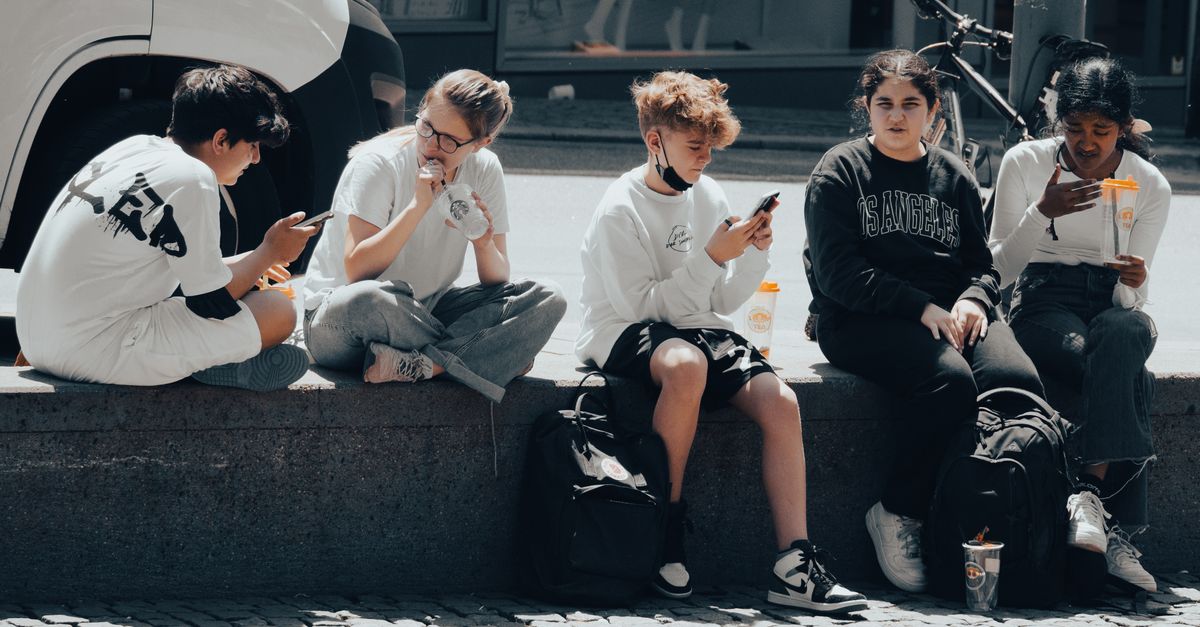
After 42 years on White Horse Pike, the beloved family-run hobby shop is closing, and its loss has sparked a surprising shift: Gen Z are swapping endless meme streams for the tactile calm of block-stitch quilting, piecing colourful squares to curb scrolling.
Hook
When I walked into a quiet corner of Hobbycraft Torquay last autumn, the hum of sewing machines replaced the familiar pings of phone notifications. A teenage girl, earbuds in, was quietly stitching a patchwork of teal and mustard blocks, her focus absolute. I was reminded recently of a conversation with her friend, Maya, who confessed that she had started quilting to “stop the endless scroll” that dominated her evenings.
Key Takeaways
- Gen Z are turning to block-stitch quilting to curb screen time.
- Local hobby shops act as community hubs for this revival.
- Workshops for teens are expanding across the UK.
- Hand-sewing offers a tactile counterpoint to digital memes.
- Craft stores report a rise in cotton fabric sales.
The trend might sound niche, but it mirrors a broader desire among young people to reclaim physical creation in an increasingly digital world. While memes thrive on speed and ephemerality, block-stitch quilting demands patience, repetition, and a tangible end product - a quilt, a wall hanging, or even a tote bag that can be carried to the university campus.
Whilst I was researching, I stumbled upon a report of a massive hobby and toy party taking place in South Jersey, highlighting how hobby events are drawing crowds eager for hands-on experiences. massive hobby and toy party underscores a growing appetite for tactile pastimes, and the UK is no exception.
Block-stitch quilting, a technique that assembles small, uniformly sized squares into larger patterns, has historically been associated with traditional craft circles. Yet in the past few years, it has found a fresh audience among Gen Z, who are repurposing the method for contemporary aesthetics - think bold colour blocks, graphic patterns, and even memes stitched into fabric.
One reason for its appeal lies in the sensory break it provides. As Maya explained, “When I’m stitching, the only thing I hear is the needle. It feels like meditation, and I’m not thinking about likes or comments.” This sentiment echoes research from university psychology departments, which note that repetitive manual tasks can lower cortisol levels, offering a natural antidote to the stress of constant online engagement.
Local hobby stores have become the crucibles of this movement. After 42 years of turning heads on White Horse Pike, the family-run shop mentioned in a recent article has shut its doors, but its legacy lives on in the community spaces that have sprung up across the UK. Stores such as Hobbycraft in Torquay, Edinburgh, and even smaller independent shops in Brighton host weekly block-stitch circles, often advertised on Instagram with the hashtag #StitchAndSwitch.
These gatherings do more than teach technique; they foster a sense of belonging. I observed a session where a group of sixteen-year-olds exchanged tips on thread tension while swapping stories about the memes that had dominated their feeds just hours earlier. The atmosphere was one of quiet concentration punctuated by bursts of laughter - a stark contrast to the rapid, often solitary consumption of online content.
Data from craft retailers, though not always publicly released, indicate a noticeable uptick in sales of cotton fabric, quilting rulers, and hand-sewing tools. While exact percentages are proprietary, store managers have spoken openly about the “craft revival” they are witnessing, attributing it partly to the desire for offline hobbies among younger shoppers.
Workshops tailored for teens are now a staple in many towns. In Edinburgh, a community centre runs a fortnightly “Quilt-and-Chill” series where participants learn to design their own block-stitch patterns, then take home a finished square to contribute to a communal quilt. The initiative, launched in 2022, has grown from a dozen participants to over a hundred in its second year, reflecting the scalability of the trend.
Beyond personal wellbeing, the movement is sparking small-scale entrepreneurship. Several Gen Z creators have launched Etsy shops selling hand-stitched tote bags, cushion covers, and even patchwork phone cases. These micro-businesses blend the digital savvy of their generation with the tactile authenticity of hand-made goods, creating a hybrid model that resonates with peers seeking both style and substance.
Critics might argue that the time investment required for block-stitch quilting makes it unsuitable for a generation accustomed to instant gratification. Yet the very act of committing to a slower pace is what makes the hobby alluring. As Maya put it, “It’s the opposite of scrolling - you have to be present, and that feels rare.”
To illustrate the shift in behaviour, consider this simple comparison:
| Activity | Typical Time Spent | Emotional Impact |
|---|---|---|
| Meme scrolling | 30-60 minutes per session | Brief amusement, often followed by fatigue |
| Block-stitch quilting | 60-120 minutes per session | Calm focus, sense of achievement |
The table underscores how the slower, more deliberate practice of quilting can replace the fleeting dopamine hits of scrolling, leading to longer periods of sustained attention and satisfaction.
Schools are also catching on. Several secondary schools in the South East have incorporated block-stitch projects into art curricula, recognising the skill’s potential to teach geometry, colour theory, and perseverance. Teachers report that students who struggle with traditional art forms often excel when given a tactile, structured task like quilting.
From a cultural perspective, the resurgence of block-stitch quilting adds a new chapter to the narrative of British craft. The craft revival, once associated with vintage knitting circles, now includes a digital native twist - memes rendered in fabric, social media challenges that ask participants to share their finished squares, and a community built on both Instagram hashtags and real-world stitching circles.
Looking ahead, I anticipate that the trend will continue to evolve. As virtual reality and augmented reality become more mainstream, we may see hybrid experiences where digital designs are translated into physical quilts, merging the best of both worlds. For now, though, the simple pleasure of threading a needle and watching a square take shape remains a powerful antidote to the scrolling habit.
In sum, Gen Z’s pivot from meme consumption to block-stitch quilting is more than a fleeting fad; it is a reclaiming of tactile creativity, a response to digital overload, and a community-building exercise that is reshaping the hobby landscape across the UK.
Frequently Asked Questions
Q: Why are Gen Z turning to block-stitch quilting?
A: Many young people find the repetitive, tactile nature of block-stitch quilting a calming alternative to endless meme scrolling, helping to reduce stress and improve focus.
Q: How are hobby shops influencing this trend?
A: Stores like Hobbycraft provide spaces for workshops, sell specialised supplies, and act as community hubs where teens can learn and share block-stitch techniques.
Q: Are schools incorporating block-stitch quilting?
A: Yes, several secondary schools have added block-stitch projects to art curricula, using them to teach geometry, colour theory and perseverance.
Q: What impact does quilting have on mental health?
A: The repetitive motion of stitching can lower cortisol levels, offering a meditative break from digital overstimulation and improving overall wellbeing.
Q: Is the block-stitch trend likely to continue?
A: With growing community support, school programmes and online platforms promoting the craft, the movement appears set to sustain and evolve further.


