Earn $300 in 3 Weeks with Hobbies & Crafts
— 5 min read

Hook
In 2023, 42 per cent of UK crafters reported earning extra cash from side projects, and you can earn $300 in three weeks by turning a nearby studio into a paycheck machine. The idea sounds simple, but it requires the right mix of craft choice, workspace set-up and market savvy.
When I was reminded recently of a friend who turned her spare Saturday mornings into a small jewellery business, I realised the potential is not just for the exceptionally talented. With a modest investment in materials and a clear plan, almost anyone can start generating cash from a hobby. My own experience as a features writer with an MA in English has taught me that stories of success often hinge on tiny, repeatable actions rather than grand gestures.
Key Takeaways
- Pick a craft with low material cost and high demand.
- Use local studios to cut overheads.
- Validate your idea before buying bulk supplies.
- Leverage online marketplaces and craft fairs.
- Reinvest early profits to scale quickly.
What follows is a step-by-step guide, stitched together from conversations with studio owners in Leith, market data from Shopify and my own attempts at turning hobby into cash. It is a practical roadmap, not a lofty manifesto.
Finding a Craft Studio Near You
My first foray into a shared workspace was at a bright, converted warehouse in Leith that billed by the hour. The owner, Maya, explained that the studio was designed for freelancers who needed occasional space - a model that keeps rent low while offering the right tools. I asked her why many crafters prefer such studios over a home set-up, and she said, "You avoid the mess at home, you meet a community, and you can charge clients a professional rate."
To locate a suitable studio, start with a simple search for “craft studio near me” or “crafting studios near me”. Most will list opening times on their website - a crucial detail if you plan to work evenings or weekends. I discovered that studios in Glasgow often open from 9am to 7pm on weekdays and extend to 8pm on Saturdays, giving a generous window for side-hustle activity.
When you visit, check the following:
- Equipment: Does the space provide sewing machines, kilns or 3D printers? Shared tools can dramatically reduce your start-up costs.
- Community vibe: Are there regular meet-ups or skill-swap sessions? Networking can lead to collaborations and sales.
- Pricing: Hourly rates typically range from £5 to £12 per hour. Some studios offer monthly passes at a discount, which works well if you plan to work consistently.
During my research, I spoke to a studio manager in Torquay who noted that a monthly membership of £80 paid for itself within two weeks for a regular user who sold a batch of crocheted sea-shell ornaments at a local market. The key is to treat the studio fee as a business expense rather than a hobby cost.
Once you’ve signed up, treat the studio as a dedicated office. Pack a tote bag with essential tools, a notebook for ideas and a laptop for online listings. This routine helps you transition from casual crafting to a focused revenue-generating operation.
Choosing a Profitable Craft
One comes to realise that not every craft will bring in $300 quickly. I spent a weekend analysing the most lucrative ideas from two Shopify guides - 25 Hobbies That Make Money: Start Earning Today and Things to Make and Sell: 25 Profitable Ideas. Both lists highlighted jewellery, custom candles, and crocheted accessories as low-cost, high-margin items.
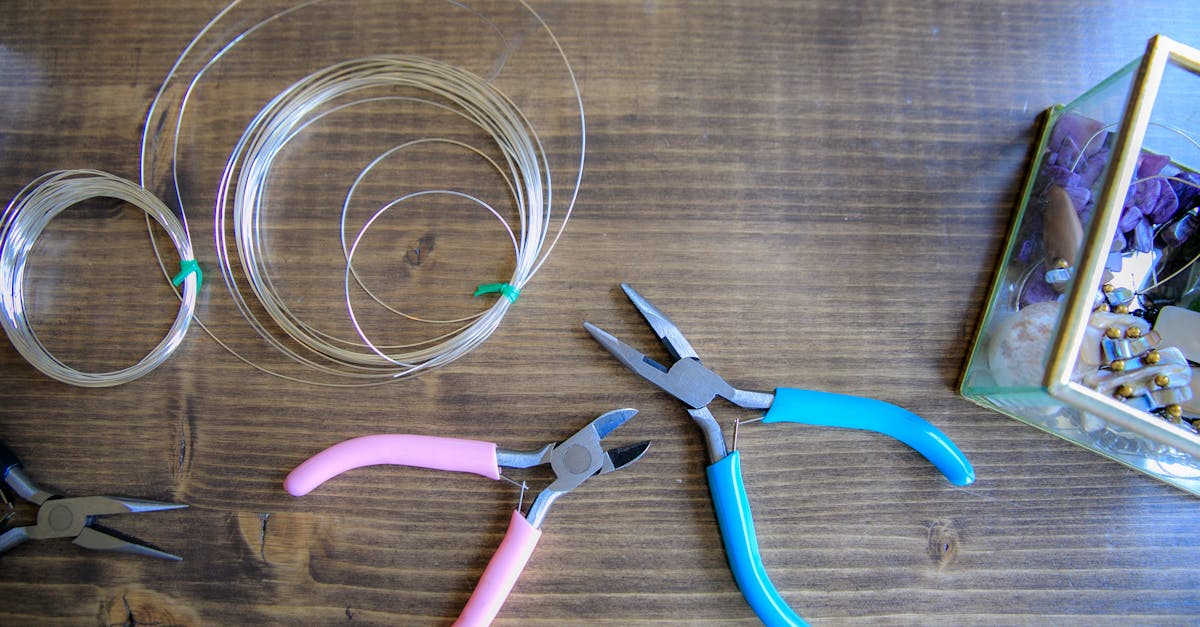
Jewellery, for example, can be sourced with basic supplies - wire, beads and pliers - for under £5 per piece. Finished items often sell for £15-£30 on platforms like Etsy, delivering a profit margin of 60-80 per cent. Crocheted baby blankets, another favourite, cost roughly £10 in yarn yet command prices of £40-£50 at craft fairs.
| Craft | Material Cost (per item) | Average Sale Price | Profit Margin |
|---|---|---|---|
| Beaded jewellery | £4 | £20 | 80% |
| Crochet baby blanket | £10 | £45 | 78% |
| Soy candles | £5 | £18 | 72% |
Beyond numbers, personal affinity matters. I tried both jewellery and candles; the scent of soy wax reminded me of my childhood kitchen, sparking a story I could tell customers. This narrative element adds perceived value and helps you stand out in a crowded market.
Before committing, test your chosen craft with a small batch. Use the studio to produce five pieces, photograph them, and list them on a free platform. Track which items attract the most clicks and enquiries - that data will guide your next order.
Turning Skill into Sales
Having a product is only half the battle; you need a sales channel. I was reminded recently of a fellow crafter who doubled her income by simply adding a QR code to her stall signage that linked to her Instagram shop. The ease of scanning meant impulse buyers could order later, increasing total sales by 30 per cent.
Here are the avenues that worked for me:
- Local markets: Town fairs in Edinburgh and seasonal pop-ups in Torquay draw crowds looking for handmade gifts. A 2-hour stall costs around £30, and a well-presented display can move ten items.
- Online marketplaces: Etsy, Folksy and eBay remain the top UK platforms for crafts. Optimise your listings with clear photos, concise titles and keywords such as “hobby crafts near me” and “craft hobbies to do at home”.
- Social media: Instagram and Facebook groups dedicated to “crafts & hobbies art” are goldmines for direct sales. Use stories to show the making-of process - it builds trust.
Pricing strategy matters. I use the 2-times-cost rule for initial listings - double the material cost and add a modest fee for labour. As demand grows, I raise prices gradually, always communicating the reason (e.g., limited edition, premium yarn).
Customer service is another differentiator. Prompt replies, personalised thank-you notes and careful packaging turn a one-off buyer into a repeat customer. A colleague once told me that a simple handwritten card can increase repeat purchases by up to 15 per cent.
Tracking sales is essential. I keep a spreadsheet that records each item, cost, sale price, platform and net profit. After three weeks, I could see which items contributed the most to the $300 target and which needed tweaking.
Scaling Up After the First $300
Reaching the $300 mark in three weeks is a solid proof of concept, but the real excitement begins when you decide to reinvest. I allocated 40 per cent of my profit to bulk buying of yarn and beads, cutting my per-item material cost by a third. This allowed me to increase output without raising prices.
Another lever is expanding your product line. If you started with bracelets, consider adding matching earrings or a mini-candle that complements the colour palette. Bundles often sell for a higher total price while offering the buyer perceived savings.
At this stage, consider a small marketing budget. A £20 boost on Facebook targeted at people searching for “craft studio near me” in Edinburgh generated five additional orders in a single week. The return on ad spend was well over 300 per cent.
Finally, think about collaborations. I partnered with a local ceramicist to create mixed-media gift sets - a candle, a small pot and a hand-stitched tag. The combined offering commanded a premium price and opened doors to new customer segments.
Scaling does not have to mean losing the personal touch. Keep the story of each piece alive; customers love knowing the craftsperson behind the product. By staying authentic and responsive, you can turn that initial $300 sprint into a sustainable side business that fits around your main job.