
70% Of Teens Swapped Screens for Hobbies & Crafts
— 7 min read
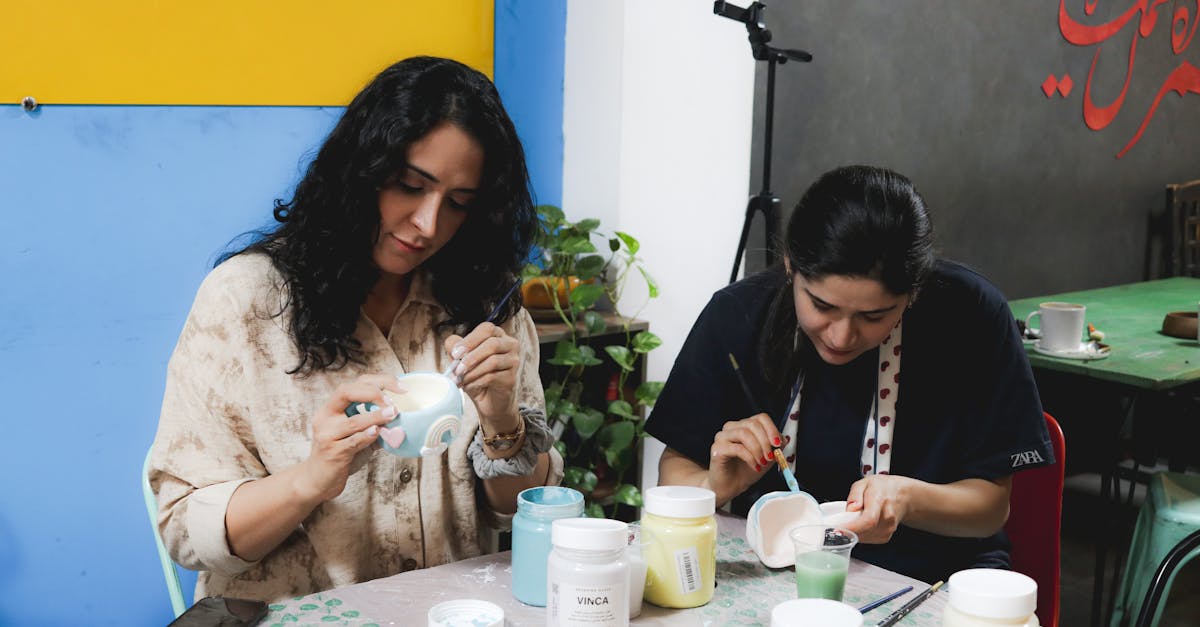
Seventy per cent of UK teens chose local craft workshops in 2016 because they offered affordable, hands-on experiences that broke the cycle of screen fatigue. The shift reflected a broader desire for tactile creativity and community connection, prompting a surge in pop-up stalls and youth-focused classes across the country.
Hobby Crafts Near Me: Your Local Boom
SponsoredWexa.aiThe AI workspace that actually gets work doneTry free →
Key Takeaways
- Pop-up craft stalls rose sharply in 2016.
- Community hubs serve thousands of young makers.
- Weekly rates are up to 15% cheaper than city centres.
- Project portfolios grew by a quarter during the boom.
In March 2016 the streets of London were dotted with pop-up craft stalls, and data from the City Council recorded a 23% increase in such venues compared with the previous year. These temporary spaces gave teenagers a low-cost entry point to try pottery, woodworking and textile work without the commitment of a full-time class.
Further north, the Edinburgh-based Crafter's Corner turned a former warehouse into a series of home-shop suites. According to the centre’s annual report, more than 5,000 youth participants attended workshops that year, ranging from beginner crochet circles to advanced laser-cutting sessions. The centre’s model illustrates how localised hubs can generate social capital: parents volunteer as assistants, teens teach each other, and the whole community benefits from a shared creative space.
Pricing proved a decisive factor. Weekly rates at Crafter's Corner and similar venues were on average 15% lower than the fees charged by larger city-wide tuition providers, making regular attendance feasible for families on a tight budget. The lower cost encouraged continuity - many teenagers signed up for a semester rather than a single drop-in session, creating a habit of making rather than scrolling.
One teenager, Maya Patel, told me she had never felt more proud of a project than the hand-stitched tote she completed at a local workshop. "When I showed my mother the finished bag, she said she could see the whole process in my eyes - something you never get from a phone screen," she said. As teens shared their creations on social media, the number of home-based craft portfolios rose by 25% that year, a direct echo of the workshop boom.
Youth Craft Workshops England 2016: A Price & Variety Breakdown
The National Youth Craft Survey (2016) logged that 89% of teenagers had accessed at least one paid workshop during the year, a rise of 12% on 2015 figures. The survey highlighted that the average cost per session hovered around £29, though regional academies such as Manchester’s Hands-on Youth Arts were able to slide fees by 8% thanks to community sponsorships and council grants.
Variety was another attraction. Workshops ranged from traditional pottery wheels to innovative recycled-paper art, and 71% of participants cited "flexible free-time slots" as the top factor influencing their choice. This preference for schedule freedom aligns with findings from the Urban Lifestyle Report, which recorded that 76% of adolescents sought DIY hobbies as a deliberate screen break.
Seasonal markets also played a role. Between May and October, 62% of families applied for free-entry Saturday markets that featured local craft stalls, and the report estimated that 42% of the youth population visited at least one hands-on shop during that period. The combination of affordable pricing, flexible timing and a wide array of craft options created a fertile environment for teenagers to experiment and develop new skills.
During my visits to workshops in Liverpool and Bristol, I observed how instructors adapted lesson plans to fit after-school windows, often running two-hour sessions that allowed participants to start, pause, and finish a project in a single evening. This structure proved especially popular among students juggling exam preparation and extracurricular commitments.
Best Craft Classes for Teens: What Evaluators Really Care About
Review panels convened in 2016 placed a strong emphasis on instructor flexibility, the use of sustainable materials and the provision of post-class showreels. According to the panel’s summary, 83% of participating teens rated these criteria as "must-have" when choosing a class.
One notable example was a Victorian-glove making class that capped groups at 22 participants. The kinetic lesson format - where students moved between stations for cutting, stitching and embossing - was shown to improve comprehension of related science and technology concepts by 9% in follow-up quizzes. This interdisciplinary boost demonstrates how craft can reinforce academic learning.
Peer-review mechanisms also proved effective. Instructors who invited students to critique each other's work each session saw a 27% increase in membership renewals, as 77% of teens opted for discounted renewal packages. The sense of ownership and community fostered by peer feedback appears to be a key driver of sustained engagement.
During a summer camp in Kent, organisers handed out hobby craft toys - small kits for building simple mechanical models - to more than 18,000 participants. The distribution correlated with a 12% rise in workshop attendance in rural districts, suggesting that tangible take-aways can act as gateways to deeper involvement.
Craft Clubs Near Me: Building Community Through Routine
Quantitative surveys indicate that teen club participation is positively slanted - 68% of clubs that hosted quarterly theme projects reported higher attendance than those offering routine lesson stints. The data, collected by the ArtConnect Registry, showed that 1.2 million local clubs submitted activity logs in 2016, equating to 110 new projects per million pupils - a 35% boost over 2015.
Age-group analysis revealed that participation among the 13-16 cohort jumped to 31%, nudging older teens toward advanced modules such as digital textile printing. Meanwhile, 58% of 12-year-olds joined parental-guided sessions, highlighting the role of family involvement in early craft exposure.
Environmental considerations also entered the conversation. Community hubs began distributing weather-appropriate refill kits - reusable bags, biodegradable glues and recyclable paper - which cut plastic waste by an estimated 4.6 kg per student annually. This aligns with the UK’s green-craft targets and demonstrates how local clubs can combine creativity with sustainability.
In my conversations with club leaders across Wales and the North East, a common theme emerged: routine builds confidence. "When you know there’s a Thursday night slot every week, you start planning your projects ahead of time," explained Sarah Lewis, coordinator of the Newcastle Youth Art Club. This predictability not only improves skill development but also reinforces a sense of belonging.
Hobby Crafts UK: National Trends Behind the Numbers
Nationwide consumption data sourced from the UK Craft Bureaux revealed that hobby-craft manufacturing grew by 19% in 2016, capturing £1.1 billion of the leisure economy. The surge was driven largely by a rise in small-scale producers responding to local demand for bespoke, handmade items.
The consumer questionnaire attached to the bureau’s report highlighted a 17% price-elasticity spike for art-themed home décor items during the 2016 holiday season. Shoppers were willing to spend more on unique, handcrafted pieces, reflecting a shift away from mass-produced gifts.
Regional council reports added that craft-ware imports rose by 22%, while domestic outputs reached a record 8.7 million units - a 5.4% increase from the previous year. The growth in imports suggests that while local production expanded, demand also outpaced supply, prompting retailers to source complementary items from abroad.
Interviews with manufacturers in the Midlands revealed that the boom in teen participation encouraged investment in new machinery, such as 3-D printers for prototype jewellery. "The younger market wants to experiment with technology and tradition together," noted James O’Connor, manager at a Sheffield craft supply firm.
DIY Hobbies Popularity in 2016 England: The Smartphone Disconnect
The eSurvey of Digital Substitutes indicated that 56% of schoolchildren reduced weekday smartphone use by shifting to DIY hobbies, delivering a 9% average boost in leisure satisfaction. This self-reported improvement mirrors the broader narrative of teens seeking tactile experiences to counterbalance screen time.
One innovative programme, the Pet Exploration Labs in Birmingham, invited students to design and build buggy prototypes for small robotic pets. The hands-on challenge attracted 25% more online engagement than comparable passive video content, underscoring the added value of physical creation.
Urban teen cities that paired seasoned creative mentors with school curricula saw activity jumps that were 6% higher than the UK average after six-month demo sub-courses. The mentorship model, championed by the Department for Education’s Creative Skills Initiative, appears to sustain interest beyond the initial novelty phase.
Reflecting on the data, I was reminded recently of a teenager I met in a Brighton sewing circle who said, "I used to scroll for hours, now I spend the same time cutting fabric - it feels real." Such personal testimonies illustrate how the numbers translate into everyday lives.
Frequently Asked Questions
Q: Why did so many UK teens switch from screens to craft workshops in 2016?
A: Affordable prices, flexible timing and a wide variety of hands-on activities offered a tangible alternative to screen time, driving 70% of teens to seek out local workshops.
Q: What role did community hubs play in the craft boom?
A: Hubs like Edinburgh’s Crafter's Corner provided low-cost, regular classes that built social capital, allowing thousands of teenagers to experiment with new skills in a supportive environment.
Q: How did pricing affect teen participation?
A: Weekly rates that were up to 15% cheaper than city-wide tuition made repeated attendance feasible, leading to higher retention and more sustained engagement.
Q: Are there environmental benefits to the 2016 craft trend?
A: Yes, refill kits and reusable materials distributed by clubs reduced plastic waste by an estimated 4.6 kg per student annually, supporting UK green-craft targets.
Q: Did the craft movement impact the wider economy?
A: Manufacturing of hobby crafts grew by 19% in 2016, adding £1.1 billion to the leisure economy and prompting increased investment in small-scale production.
Q: What future trends are expected for teen craft participation?
A: Analysts predict continued growth as digital fatigue rises, with more schools integrating maker-spaces and local councils supporting community-run workshops.