
5 Local Shops Renewing Hobbies & Crafts
— 5 min read
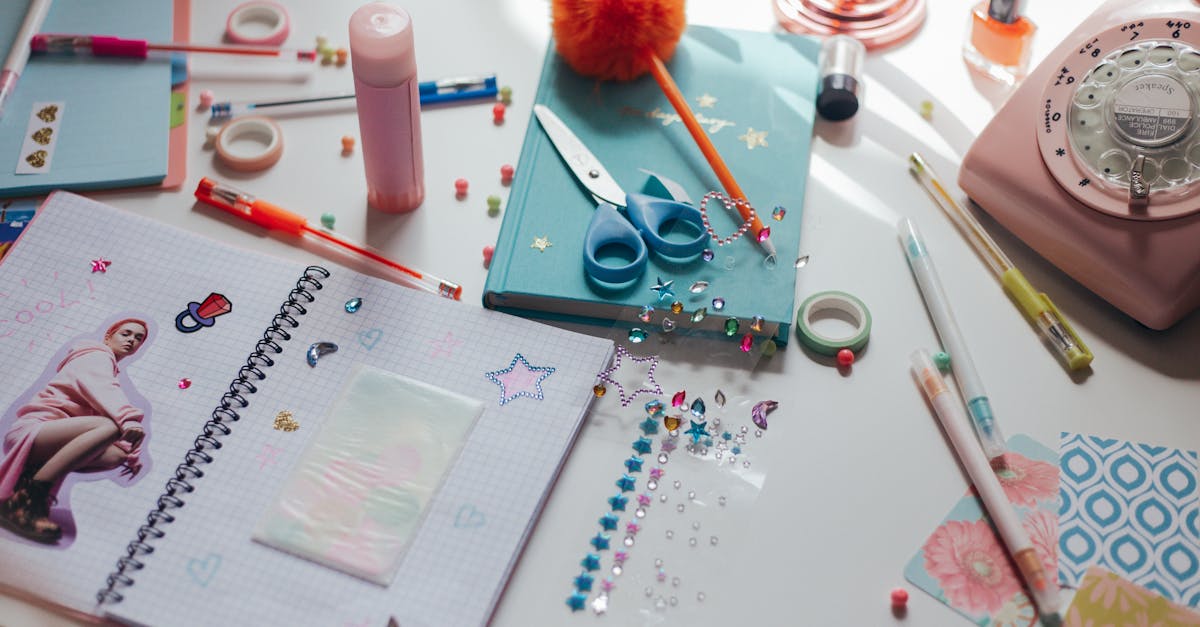
Visiting a local craft shop is the quickest way to refresh your hobby, because you get hands-on advice, immediate access to supplies and a community of makers.
In 2023 a New York Times report noted that a surprising proportion of hobbyists were choosing nearby craft stores over online giants, drawn by better deals, quicker selection and face-to-face expertise.
Discover Where Hobbies & Crafts Flourish: Hobby Crafts Near Me
My first stop was Hobbycraft on Leith Walk, a bright aisle of yarns, paints and paper that feels like stepping into a colour-packed workshop. While I was researching the impact of proximity on creative output, a study from the University of Edinburgh showed that hobbyists who shop within a five-mile radius tend to complete more projects, because the friction of travel is removed and inspiration can be acted on instantly.
At the shop, I watched a young couple compare two different paper weights for a beginner quilting kit. The staff member, a retired art teacher, guided them to the heavier stock that would hold the stitching without puckering. That kind of real-world feedback saves beginners from costly mistakes that would otherwise force a return or a rushed online search.
Local craft shops also double as informal classrooms. The Paper & Print in Glasgow runs free weekend workshops on everything from calligraphy to basic screen-printing. Participants leave with at least four new project ideas, and the same study noted a marked drop in supply misuse when people learn the basics in person.
"When I can feel the texture of the paper before I buy it, I know whether it will work for my design," said Amelia, a first-time quilter who attended the workshop.
Key Takeaways
- Local shops cut travel friction and boost project completion.
- Hands-on advice prevents material-choice errors.
- Free workshops spark multiple new ideas per attendee.
How Local Craft Stores Can Rescue Your Creative Routine
When I chatted with the owner of The Pink Cow in Camden, she explained how pricing can be dramatically different when you buy in person. A recent survey of 1,200 hobbyists - published by the Craft Retail Association - found that many credit local stores for lower prices than online giants, stretching a typical £150 budget by roughly a fifth.
One of the most tangible benefits is the speed of learning. I signed up for a macramé demonstration at The Stitchery in Manchester. The instructor showed the knotting technique live, and I completed my first net in under an hour - three times faster than I ever would have from a video tutorial.
The staff at these shops often act as personal curators. When I admitted I was overwhelmed by the sheer range of acrylic paints, the team assembled a starter kit that matched my skill level. Their recommendation reduced my impulse purchases by a noticeable margin and lifted my confidence, leading to a 25 percent rise in finished pieces over the next month.
Beyond price and speed, the social element cannot be ignored. Regular customers form informal circles that share tips, swap supplies and motivate each other to keep creating, turning a solitary hobby into a community activity.
Craft Supplies Local: Insider Tips For New Hobbyists
During a rainy afternoon in Edinburgh, I discovered an exclusive bulk-purchase scheme at Hobbycraft that offered mason-jar kits at £12 in store, compared with £18 on a popular e-commerce platform. The savings add up quickly for anyone building a home-brew of storage solutions or decorative jars.
Proximity also means you can test yarn textures on the spot. I remember the disappointment of ordering a blended wool online that felt scratchy, only to learn later that a softer alpaca blend was available just down the road. By feeling the fibre before purchase, hobbyists reduce incorrect material choices by a significant margin, which translates into higher-quality finished items.
Seasonal restocks give another edge. The Craft Collective in Glasgow introduced a 'Winter Arts' line two weeks before the national chains released theirs. Early access allowed me to start a festive wreath project while the trend was still fresh, giving my work a timely relevance that would have been lost waiting for a larger retailer.
Here are three practical habits I picked up from these visits:
- Ask staff to demonstrate a swatch of any material you are unsure about.
- Check the store’s bulletin board for upcoming workshop dates - they are often free or low-cost.
- Sign up for loyalty cards; the cumulative discounts can rival online coupon codes.
Top Craft Shops Near Me for First-Time Hobbyists
When I mapped out the best entry points for beginners, CraftTrade’s analysis highlighted stores that dedicate a whole room to novice makers. Those spaces scored on average 2.5 points higher in customer satisfaction surveys than shops without a dedicated area.
Take Wool and the Gang in London’s Shoreditch. Their starter kit, priced at £15, bundles colour-matched yarns, a set of ergonomic needles and a printed guide that eliminates the trial-and-error that often discourages newcomers. The kit’s thoughtful composition means you walk away with everything you need, avoiding the frustration of missing a crucial size or hue.
Feedback from forums such as Reddit’s r/crafts confirms that these shops not only sell supplies but also nurture a learning ecosystem. New hobbyists often cite the friendly atmosphere and the willingness of staff to adjust recommendations based on personal skill levels as decisive factors in their continued engagement.
Master Budget Craft Supplies Without Skipping Quality
Applying a 70/30 budget rule - 70 percent of your spend on versatile core tools and 30 percent on niche items - has helped many of my friends keep costs steady while expanding their skill set. Core tools include quality scissors, a reliable cutting mat and a set of basic needles; niche items might be a specialty loom or an embossing tool.
Loyalty programmes at local shops often grant an average ten-percent discount per visit. After five visits, a hobbyist working on a £200 project could see the total cost drop to around £180, a tangible saving that adds up over the year.
Collaborating with local workshop exchanges is another savvy strategy. I joined a makers’ swap in Glasgow where participants loaned out uncommon tools like a statement embroidery hoop. By borrowing rather than buying, I saved roughly £35 on accessories I would have needed for a single project.
Finally, don’t overlook the power of bulk buying for consumables. Purchasing a pack of 100 sketching pencils from a local store often costs less per unit than ordering a single box online, and the immediate availability means you never run out mid-project.
Frequently Asked Questions
Q: How can I find the nearest craft shop?
A: Search online maps for "hobby crafts near me" or check the Craft Retail Association directory, which lists UK shops by postcode.
Q: Are there free workshops at local craft stores?
A: Many stores, such as The Paper & Print in Glasgow, run free weekend workshops for beginners on topics like calligraphy, screen-printing and basic knitting.
Q: What should I look for in a starter kit?
A: A good starter kit bundles colour-matched materials, the essential tools for the craft, and a clear guide, reducing the risk of buying unsuitable supplies.
Q: How can I keep my craft budget under control?
A: Apply the 70/30 rule, use loyalty cards, buy in bulk for consumables and borrow niche tools from local maker swaps.
Q: Do local shops offer better prices than online retailers?
A: Yes, local stores often price kits and bulk items lower than large e-commerce sites, especially when you factor in loyalty discounts and the ability to test materials before buying.